
The primary difference between 3D hard gold and 18K gold lies in their composition, manufacturing process, and resulting physical properties. 18K gold is an alloy, typically 75% pure gold mixed with other metals, produced via traditional casting, resulting in a solid, relatively durable piece that is highly versatile for various jewelry designs, including stone settings. In contrast, 3D hard gold is a specialized electroforming technique applied to high-purity gold, which creates a hollow, significantly harder, and lightweight structure. This allows for voluminous designs at a lower material cost, though it impacts repairability and suitability for intricate stone settings.
Gold, with its timeless luster and inherent value, has captivated humanity for millennia, consistently holding its place as a cornerstone in the world of jewelry. In today’s dynamic market, both consumers and B2B clients are presented with an ever-expanding array of gold options, each offering distinct characteristics tailored to specific needs and aesthetics. Among the most popular and often misunderstood choices are 3D hard gold and 18K gold.
This article aims to demystify these two prominent forms of gold jewelry, dissecting their compositions, manufacturing processes, and unique advantages. By understanding these distinctions, you’ll be empowered to make informed decisions for your brand or personal collection, ensuring that your gold pieces perfectly align with your vision and requirements
Understanding the Basics: Gold Purity and Karats
Before diving into the specifics of 3D hard gold and 18K, it’s essential to grasp the fundamental concept of gold purity.
What are Karats?
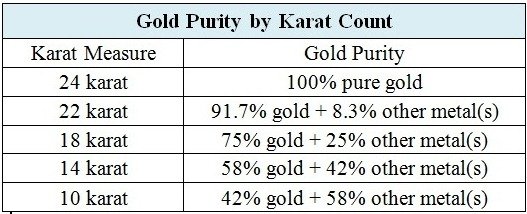
Gold purity is universally measured in karats (K), indicating the proportion of pure gold in an alloy.
- 24 Karat (24K): Represents 99.9% pure gold, considered entirely pure. It is very soft and malleable.
- 18 Karat (18K): Signifies that a piece contains 75% pure gold and 25% other metal alloys.
- Other Common Karats: You’ll also encounter 14K (58.3% pure gold) and 10K (41.7% pure gold), each offering a different balance of durability, cost, and color.
Why Alloys Matter
Pure 24K gold is exceptionally soft, making it unsuitable for everyday wear in most jewelry applications. To enhance durability, change color (e.g., white gold, rose gold), and sometimes reduce cost, pure gold is mixed with various other metals like copper, silver, zinc, and palladium. These additions significantly impact the alloy’s strength and workability.
Deep Dive into 18K Gold Jewelry
18K gold is a classic choice, revered for its balance of purity, beauty, and practical applications.
Composition and Characteristics
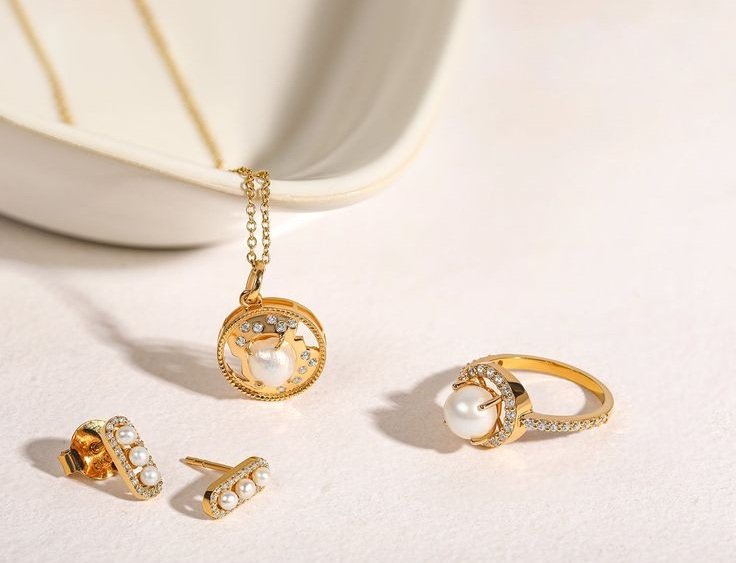
An 18K gold piece is composed of three parts pure gold and one part other metal alloys. It is 75% pure gold and 25% other metals. It’s available in traditional yellow gold, sophisticated white gold (typically alloyed with palladium or nickel), and romantic rose gold (with higher copper content). 18K gold boasts a luxurious, rich color and a respectable weight due to its density. It offers good malleability, allowing for intricate designs and stone settings, and is relatively scratch-resistant compared to 24K, though softer than 3D hard gold.
Production Method
18K gold jewelry is typically crafted using time-honored techniques. It is produced through traditional methods like casting, where molten gold alloy is poured into molds; forging, where metal is shaped by hammering; and stamping, where sheets of metal are pressed into a design. These methods result in solid, heavy pieces.
Advantages of 18K Gold
The appeal of 18K gold is multifaceted.
- Exceptional Luster and Natural Gold Color: Its high gold content lends it a deep, radiant glow.
- Hypoallergenic Properties: The higher gold concentration makes it a suitable choice for those with metal sensitivities.
- Perceived Value and Prestige: It is widely recognized as a premium and luxurious material.
- Suitable for Heirloom Quality and Intricate Settings: Its solidity and workability make it ideal for setting precious gemstones, including diamonds, as well as crafting intricate, enduring designs.
Disadvantages of 18K Gold
While superb, 18K gold does have some drawbacks.
- Higher Material Cost: Due to its significant pure gold content, 18K gold is more expensive per gram than lower karat options.
- Prone to Scratches and Bending: Compared to harder alloys or 3D hard gold, it can be more susceptible to surface scratches and minor deformation over time.
- Heavier Weight: The density can make larger 18K pieces quite heavy, which might not be desirable for all types of jewelry or wearers.
Exploring 3D Hard Gold Technology
3D hard gold represents a revolutionary leap in gold jewelry manufacturing, offering distinct advantages.
What is 3D Hard Gold?
It’s crucial to understand that 3D hard gold isn’t a different karat of gold but rather a specialized processing technique. It typically uses 24K gold (or high karat gold like 22K) and enhances its hardness and durability significantly. The innovation lies in its vacuum electroforming technique, which drastically alters the physical structure of the gold.
Production Method and Technology
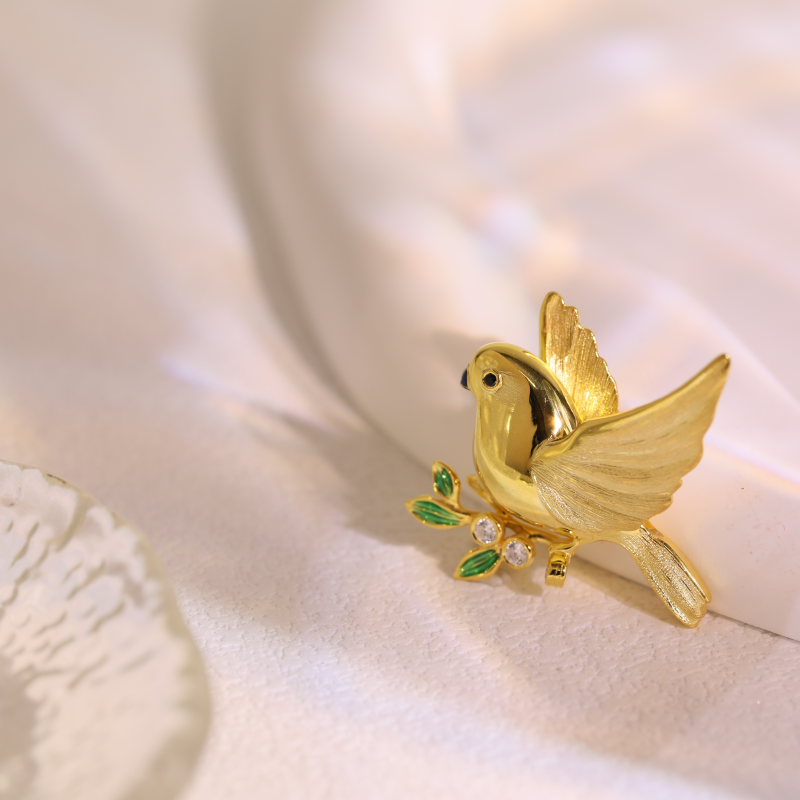
The magic of 3D hard gold lies in its intricate manufacturing process. This technique involves using a carefully prepared mold, which is then placed in an electric solution containing gold particles. Through electrolysis, these gold particles are gradually deposited and layered onto the mold, forming a hollow but remarkably strong structure. The final product is a hollow piece that is substantially harder and more resistant to wear than traditionally cast pure gold. This allows for the creation of complex, voluminous designs without the prohibitive weight and cost associated with solid gold.
Advantages of 3D Hard Gold
The benefits of this modern gold technology are compelling.
- Exceptional Hardness: It is significantly more resistant to scratches, dents, and deformation than traditional pure gold, providing superior durability.
- Lightweight: Its hollow structure allows for larger, bolder, and more three-dimensional designs using less gold, which translates to a reduced overall material cost and enhanced wearer comfort.
- High Purity (24K/22K): 3D hard gold retains the intense, non-diluted color and prestige of high-purity gold.
- Complex Designs: The electroforming process enables intricate, highly detailed, and architectural designs that would be too heavy or impossible to achieve with solid gold.
- Cost-Effective for Volume: For pieces desiring a substantial visual presence, 3D hard gold offers a more material-efficient and thus cost-effective solution compared to a solid 18K equivalent.
Disadvantages of 3D Hard Gold
Despite its innovations, 3D hard gold has specific limitations.
- Hollow Structure: Due to its construction, it cannot be easily resized or repaired in the same way as solid gold jewelry. Significant damage often means replacement.
- Suitability for Stone Settings: The hollow nature means it’s generally not suitable for intricate stone settings, especially for primary diamonds, where a solid base is required.
- Limited Color Options: The process is primarily optimized for high-purity yellow gold, rather than various colored gold alloys.
Key Differences at a Glance: A Comparative Summary
Let’s summarize the core distinctions between these two popular gold types.
- Purity: 18K gold (75% pure gold) vs. 3D Hard Gold (typically 24K/99.9% or 22K/91.7% pure gold).
- Hardness/Durability: 3D Hard Gold is significantly harder and more scratch-resistant than 18K gold, which is relatively durable but softer in comparison.
- Weight & Volume: 3D Hard Gold allows for lightweight, voluminous designs due to its hollow nature, whereas 18K gold pieces are typically heavier and solid.
- Manufacturing Process: 3D Hard Gold utilizes an innovative electroforming technique, while 18K gold is made through traditional casting, forging, and stamping.
- Repairability/Resizing: 3D Hard Gold is difficult or near impossible to repair or resize effectively due to its hollow structure, unlike 18K gold, which is relatively easy to modify.
- Cost: While 3D Hard Gold uses purer gold, its lightweight nature can make it more cost-effective for large, bold pieces. 18K gold has a higher material cost per gram for solid items.
- Aesthetic & Use: 3D Hard Gold is perfect for bold, modern, and lightweight statement pieces. 18K gold is ideal for classic, heirloom-quality jewelry, especially those featuring intricate settings for precious stones.
Choosing the Right Gold for Your Needs
Selecting between 3D hard gold and 18K requires careful consideration of your specific requirements.
- Design Aesthetic: Are you aiming for bold, voluminous, and lightweight modern pieces (3D hard gold) or classic, solid, and enduring designs (18K gold)?
- Durability vs. Repairability: If extreme durability and scratch resistance are paramount and resizing isn’t a concern, 3D hard gold is excellent. If future resizing or easy repair is a priority, 18K gold is a better choice.
- Budget and Weight Preference: For larger pieces where cost and weight are a concern, 3D hard gold offers a brilliant solution. For solid precious pieces with a luxurious feel, 18K gold is unmatched.
- Purpose of the Jewelry: Will it be an everyday wear item, a statement piece, or a fine jewelry item designed to hold significant gemstones?
Conclusion
Both 3D hard gold and 18K gold offer unique benefits, catering to different design aspirations and practical needs in the dynamic world of jewelry. Understanding these differences empowers brands and designers to make choices that perfectly align with their vision and market demands.
At ColoritaJewelry, we embody unparalleled expertise in both traditional 18K gold craftsmanship and cutting-edge 3D hard gold technology. We pride ourselves on transforming diverse design concepts into exquisite realities, always prioritizing exceptional quality and precision. Whether your brand seeks the classic allure of solid 18K gold or the innovative lightness and durability of 3D hard gold, we are your trusted manufacturing partner. Leverage our extensive experience and advanced production capabilities for your global B2B custom jewelry needs. Contact us today to bring your gold jewelry visions to life.