
For B2B clients, the various surface treatments for sterling silver jewelry each present a unique set of pros and cons, directly impacting a product’s aesthetic, durability, and perceived value. Treatments like rhodium plating offer superior tarnish resistance and a high-end look at a higher cost, while gold plating (especially vermeil) provides luxurious appeal with varying durability based on thickness. Oxidation creates a distinctive antique aesthetic, adding depth but potentially requiring specific care. E-coating provides an excellent protective barrier against scratches and tarnish. Ultimately, these choices directly influence production costs, retail pricing, and a piece’s long-term market appeal, making their careful selection vital for optimizing product value.
Sterling silver, cherished for its radiant luster and versatility, is a cornerstone of the jewelry industry. However, its natural tendency to tarnish and its relative softness can sometimes limit its appeal and longevity. This is where surface treatments come into play. These specialized processes are applied to the silver’s exterior to enhance its beauty, improve its durability, and protect it from environmental wear. Far from being an afterthought, selecting the appropriate treatment is a critical design and value-add decision for any sterling silver piece.
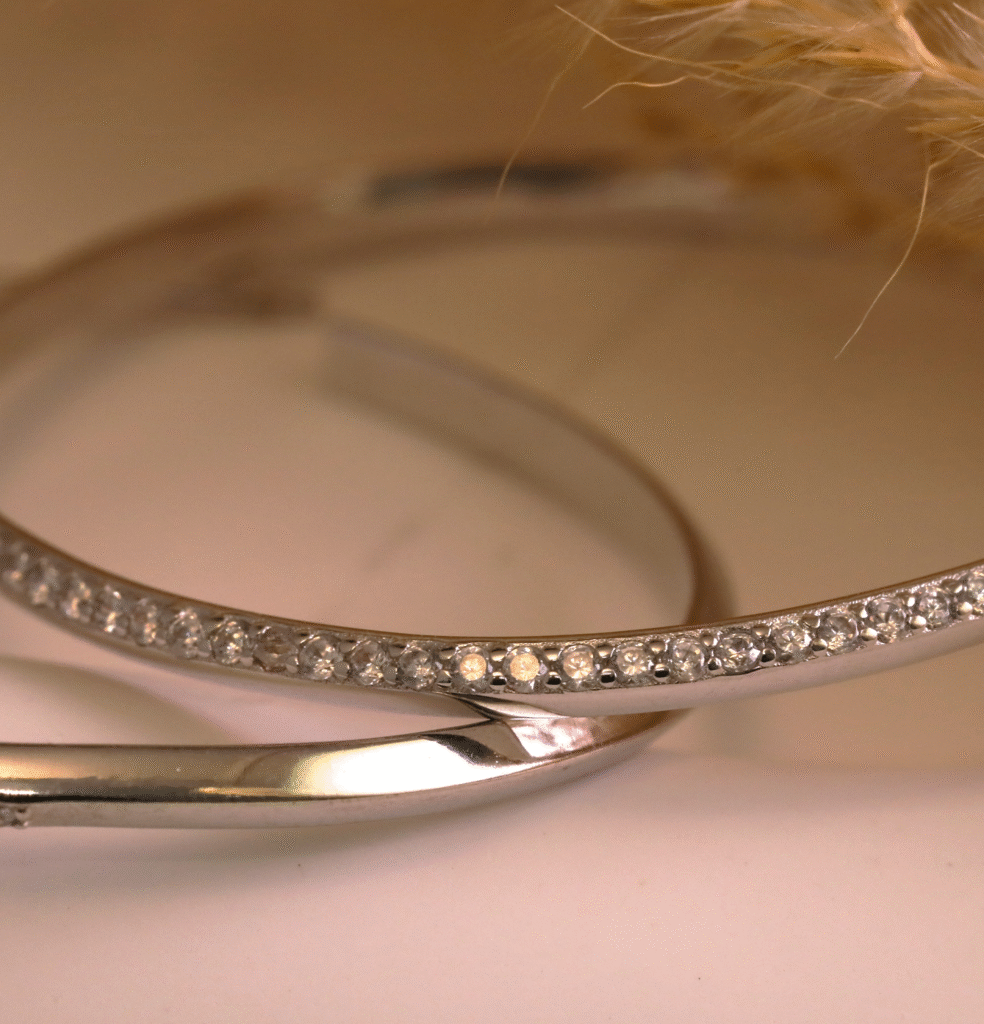
ColoritaJewelry is a leading expert in the field of enamel jewelry and inlaid jewelry design within the industry, known for our exceptional craftsmanship and unique designs. As both a wholesale supplier of enamel jewelry and a custom manufacturer of silver jewelry, we offer an extensive collection of pieces that cater to a wide range of tastes and preferences.
Rhodium Plating: Benefits for Anti-Tarnish and Luster
Rhodium plating is a popular choice for sterling silver, renowned for its brilliant, mirror-like finish and exceptional protective qualities. Rhodium, a member of the platinum group metals, is incredibly durable and highly reflective.
- Pros: It provides superior tarnish resistance, keeping silver bright and shiny for extended periods. It also adds a harder outer layer, making the jewelry more scratch-resistant and giving it a high-end, premium look often compared to white gold.
- Cons: Rhodium plating is not permanent; it will eventually wear off, especially on high-friction areas (like the undersides of rings), requiring re-plating. It also adds to the production cost.
Gold Plating (Vermeil vs. Standard Plating): Aesthetic and Durability Differences
Gold plating offers the luxurious look of gold at a fraction of the cost, making it a highly desirable finish for sterling silver. There are two main types:
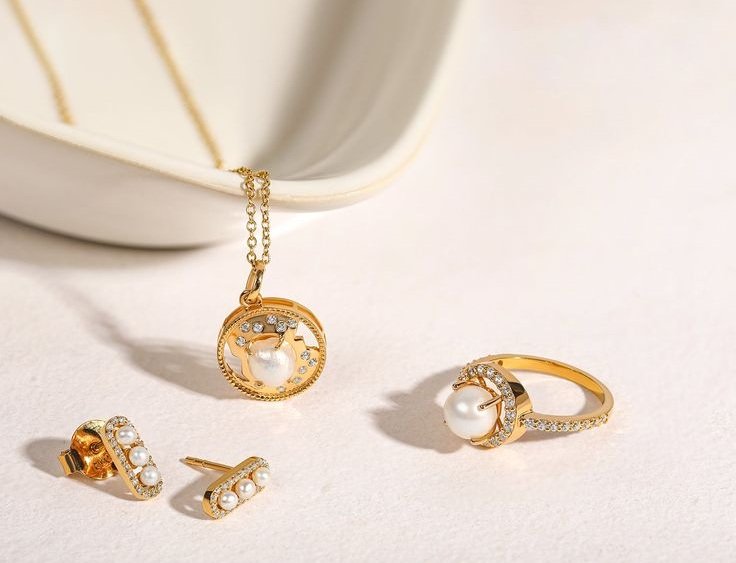
- Gold Vermeil: This is a thick layer of gold (at least 2.5 microns, often 10K gold or higher) plated over sterling silver.Pros: Offers a rich, relatively long-lasting gold color; considered higher quality than standard plating. It’s also suitable for people with metal sensitivities as it’s a hypoallergenic option.
- Cons: Still subject to wear over time, especially with heavy use; the heavier gold layer makes it more expensive than standard plating.
- Standard Gold Plating: Typically a thinner layer of gold (less than 2.5 microns) applied to sterling silver.Pros: More affordable than vermeil, offering a quick way to achieve a gold aesthetic.
- Cons: Less durable, prone to fading and chipping much faster than vermeil; requires more careful handling.
Oxidation (Antiquing): Creating Unique Patina and Depth
Oxidation is a chemical process that darkens silver, creating an antique or vintage look. This is achieved by intentionally tarnishing the silver’s surface, often with a sulfur compound.
- Pros: Creates a striking contrast that highlights intricate details and textures in designs. It gives pieces a unique, aged character and can make them appear more substantial. Oxidized silver also shows less visible surface scratching than polished silver.
- Cons: The darkened finish can lighten over time with wear, especially with frequent polishing. Not suited for every design or customer preference; some prefer only bright, shiny silver.
E-Coating (Electrophoretic Coating): Protecting from Scratches and Tarnish
E-coating, or electrophoretic coating, involves applying a clear, organic polymer layer onto the jewelry using an electric current. This creates a durable, transparent finish.
- Pros: Provides an excellent barrier against tarnish, scratches, and everyday wear, significantly extending the life and luster of the silver. It’s often used on intricate pieces as it covers all surfaces evenly, offering great protection without altering the silver’s natural shine underneath. It also helps prevent allergic reactions for some individuals.
- Cons: Can be difficult to repair or re-coat. Like all coatings, it can eventually wear off, particularly during heavy wear. The coating process adds to manufacturing costs.
Impact on Production Costs and Retail Pricing
Each surface treatment carries its own cost implications, which directly influence the final retail price. Rhodium plating and gold vermeil, due to the precious metal content and application process, typically command higher production costs than standard gold plating or simple polishing. E-coating also adds a notable cost. Oxidation is generally less expensive than plating but requires skilled application for an even aesthetic. B2B clients must balance the desire for durability and luxury with their target market’s price sensitivity. Communicating the benefits of these treatments to end-consumers can justify higher price points, emphasizing long-term value.
Selecting the Right Finish Based on Design and Customer Preference
Choosing the ideal surface treatment is a strategic decision that marries design intent with market demand. For a minimalist, contemporary look demanding maximum shine and durability, rhodium plating or e-coating might be perfect. If the aim is luxurious appeal with a warm glow, gold vermeil is usually superior to standard plating. For rustic, artisanal, or highly detailed pieces where depth and character are paramount, oxidation shines. Understanding your customer base—whether they prioritize durability for everyday wear, a specific aesthetic, or budget-friendly options—is key to making the most impactful decision.
Conclusion
The world of sterling silver jewelry truly comes alive through its diverse finishing options. Each treatment offers a unique set of benefits, transforming the metal and influencing its overall appeal and longevity. For B2B clients, a deep understanding of these techniques is not just about aesthetics; it’s about making informed choices that optimize product value and resonate with their market.
As you explore these intricate details, consider ColoritaJewelry. We pride ourselves on our comprehensive expertise in sterling silver and enamel jewelry, specializing in overseas wholesale. Our deep understanding of various surface treatments—from lustrous rhodium and rich gold vermeil to antique oxidation and protective e-coating—ensures that every piece we produce meets the highest standards of beauty, durability, and craftsmanship. Partner with ColoritaJewelry to leverage our knowledge and deliver exceptional products to your discerning customers.