
Cold enamel offers significant advantages that make it a compelling choice for modern jewelry brands seeking more sustainable and eco-friendly practices, primarily due to its low-energy production—requiring no high-heat firing—and its potential for creating highly durable, long-lasting pieces. While challenges remain in areas such as fully renewable raw materials and end-of-life recycling for composite materials, its process efficiencies and material longevity position cold enamel as a responsible and forward-thinking option for brands prioritizing environmental considerations.
The Growing Imperative for Sustainable Jewelry
In today’s global landscape, the focus on sustainability and eco-friendly practices has transcended a mere trend; it’s become a fundamental expectation for consumers and businesses alike. The jewelry industry is certainly no exception, facing increasing demands for greater environmental responsibility, from the sourcing of raw materials to the nuances of manufacturing processes.
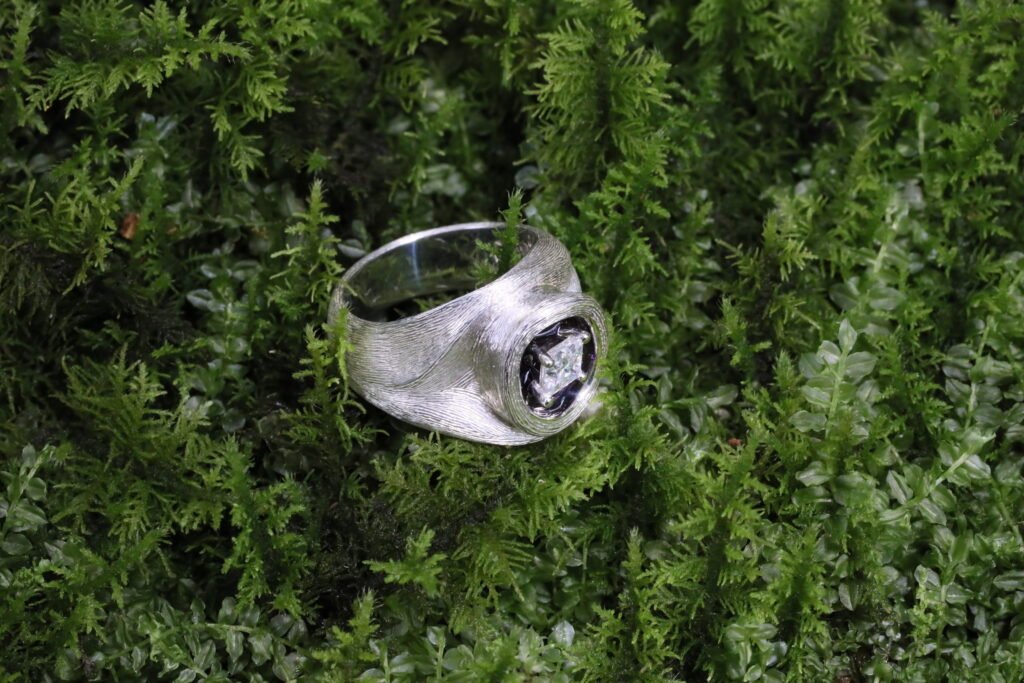
This heightened awareness leads us to a crucial question: Is cold enamel, a burgeoning and popular technique in jewelry decoration, truly aligned with these evolving standards of sustainability and environmental friendliness? This article delves into various facets of cold enamel to provide a comprehensive answer, examining its components, production benefits, and overall lifecycle implications.
Decoding the Ingredients: What’s In Cold Enamel?
To understand cold enamel’s environmental footprint, we must first look at its composition. The primary component is typically a resin base. We distinguish between traditional synthetic resins and the emerging or established use of more bio-derived or renewably-sourced alternatives. The evolution towards greener resin bases is an exciting area of innovation in the industry.
Crucially, the vivid colors in cold enamel come from specialized pigments and colorants. Our focus is on the responsible sourcing of these — prioritizing those free from heavy metals or toxic compounds. There is a strong industry drive towards non-toxic, safety-compliant colorants that meet stringent environmental standards. Furthermore, any solvents or additives used in cold enamel formulations are carefully selected to minimize volatile organic compounds (VOCs) and avoid the use of harmful chemical agents, ensuring both environmental safety and workplace well-being.
Low Heat, Lower Footprint: Cold Enamel’s Production Advantages
One of cold enamel’s most compelling environmental benefits lies in its production process: it requires no high-temperature firing. This fundamental difference dramatically reduces energy consumption and, consequently, carbon emissions when compared to traditional fired enamel techniques. The absence of intense heat makes it an inherently more energy-efficient option.
Moreover, the precision application and room-temperature curing method often lead to reduced material waste. This accuracy in usage minimizes excess, and where applicable, opportunities for waste management and recycling are explored to further enhance efficiency. Beyond environmental impacts, the lack of high heat means a safer working environment for artisans, free from molten materials and harmful fumes, thereby improving indoor air quality.
Longevity as Sustainability: The Durability of Cold Enamel Jewelry
Durability is a cornerstone of sustainability; a product that lasts longer naturally reduces the cycle of consumption and waste. Cold enamel jewelry is renowned for its strength and resilience. A well-designed, robust piece can be cherished and worn for years, directly contributing to a more sustainable consumption pattern by reducing the need for frequent replacements.
We also consider the repairability and maintenance of cold enamel pieces. Simple care and the potential for repairs can further extend a jewel’s lifespan, cementing its sustainable value. However, it’s important to acknowledge that at the end of its life, the recycling of cold enamel jewelry, as a composite material (resin combined with metal), presents unique challenges, which the industry is actively exploring.
Our Approach to Responsibility: ColoritaJewelry’s Sustainable Practices
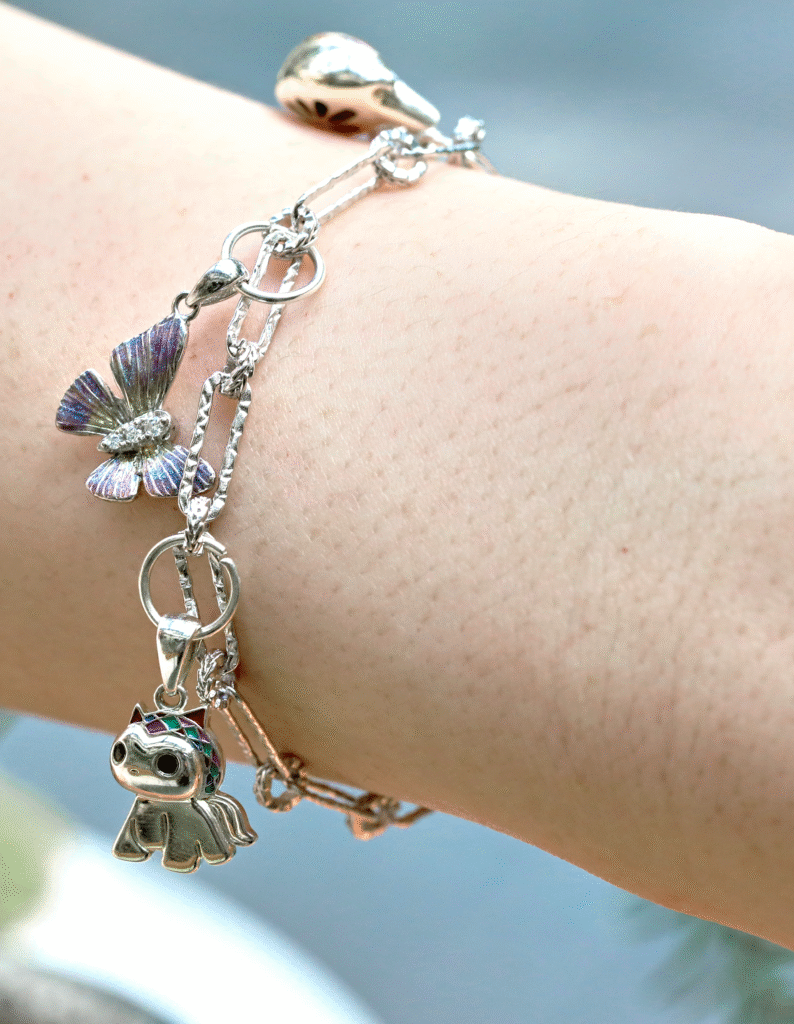
At ColoritaJewelry, our commitment to environmental responsibility is integrated into our operations. In material selection, we uphold stringent standards, ensuring our cold enamel components comply with international environmental regulations and are free from heavy metals or other harmful substances. Our dedication is to utilize the safest, highest-quality materials available.
Our production processes are designed with efficiency in mind. We implement energy-saving measures and effective waste management practices, including precise material dispensing to minimize spillage and exploring opportunities for waste material recovery. Crucially, we reiterate our commitment to the ethical and sustainable sourcing of our base metals, such as 925 sterling silver, ensuring full traceability and social responsibility in our supply chain.
The Road Ahead: Challenges and Future Innovations in Cold Enamel Sustainability
While cold enamel offers significant steps forward in sustainability, the journey continues. A key area of innovation is the development of fully bio-derived or plant-based enamel alternatives, aiming to further reduce reliance on non-renewable sources for its resin components. This push for greener chemistry is vital for enhancing its long-term environmental profile.
Furthermore, as with many composite materials, developing more effective recycling technologies and infrastructure for cold enamel jewelry at its end-of-life remains a challenge. The industry is actively researching methods to separate and recover these mixed materials efficiently. We also anticipate and welcome the evolution of more rigorous sustainability certifications and increased supply chain transparency, which will guide brands like ours in adapting to and leading these critical advancements.
Conclusion
In conclusion, cold enamel, with its notably low-energy production and inherent durability, stands out as a more sustainable choice compared to its high-heat counterparts. Its ability to create lasting, beautiful jewelry with a reduced environmental impact during manufacturing is a significant advantage for modern brands.
However, we recognize there is always room for incremental improvement, particularly in advancing towards fully bio-derived raw materials and enhancing end-of-life recycling practices. Brands like ColoritaJewelry are actively committed to maximizing cold enamel’s sustainable benefits through responsible sourcing and production. We encourage modern jewelry brands to view cold enamel as a viable, forward-thinking option in their pursuit of eco-conscious practices, supporting its continuous evolution towards even greater sustainability.