
Pearls, with their timeless allure, have captivated humanity for centuries. From ancient royalty to modern enthusiasts, these organic gems hold a cherished spot in fine jewelry. But selecting the “perfect” pearl can be complex, given the vast array of types and qualities. As appraisers, we understand these nuances. This guide from ColoritaJewelry, based in Shenzhen Shuibei, aims to simplify the process, helping our overseas B2B clients and their customers confidently choose these exquisite treasures.
The Genesis of a Pearl: Nature’s Miracles
Understanding how pearls form is key to appreciating their unique beauty. Unlike other gemstones, pearls are created by living organisms.
Natural Pearls: A Rare Gift
Natural pearls are among nature’s rarest gifts. They form entirely without human intervention when an irritant enters a mollusk. The mollusk then secretes layers of nacre, gradually building the pearl. Historically, these were worn by kings and nobility, symbolizing immense wealth and power. Today, due to their scarcity and dwindling natural beds, natural pearls are incredibly hard to find, making them highly valuable collector’s items. Each one is truly unique.
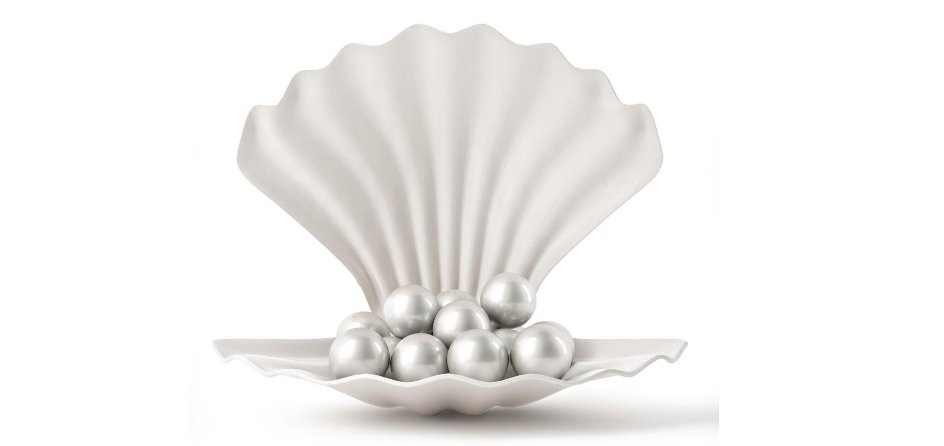
Cultured Pearls: Bridging Nature and Craft
Cultured pearls represent a brilliant fusion of human ingenuity and natural processes. In the early 20th century, Japanese pearl farmers pioneered a method: implanting a small bead or tissue (nucleus) into a mollusk. This stimulates the mollusk to secrete nacre, just as it would for a natural irritant. This innovation made beautiful pearls accessible to a wider audience.
Key types of cultured pearls include:
- Akoya Pearls: Known for their classic round shape, sharp luster, and often white or cream color, primarily from Japan.
- South Sea Pearls: Revered for their impressive size, soft, satiny luster, and natural white, silver, or golden hues, from Australia, Indonesia, and the Philippines.
- Tahitian Pearls: Famous for their exotic dark colors, often called “black pearls,” with stunning iridescent overtones, cultivated in French Polynesia.
These cultured pearls are highly prized for their quality luster and are essential in luxury jewelry collections. For those interested in premium cultured pearls, ColoritaJewelry recommends exploring reputable Akoya or South Sea varieties. Contact us for expert guidance on selecting the ideal cultured pearls for your collection!
How to Choose the Perfect Pearl: Key Value Factors
When selecting a pearl, several crucial factors, often called the “7 Pearl Value Factors,” guide its assessment. Understanding these will help you find the best pearl for any style or budget.
Luster: The Pearl’s Inner Glow
Luster is arguably the most important characteristic. A high-luster pearl has a bright, sharp, mirror-like reflection, appearing to glow from within, often with delicate iridescent overtones (orient). The stronger the luster, the higher the pearl’s value. This inner radiance is what truly brings a pearl to life.
Shape: The Ideal Sphere
Pearls come in various shapes, but perfectly round pearls are traditionally the most coveted and valuable. These perfectly spherical gems are exceedingly rare. Other shapes like oval, baroque (irregular), drop, and button offer unique charm and are typically more affordable, perfect for diverse designs.
Surface Quality: A Flawless Canvas
A pearl’s surface should be as smooth and blemish-free as possible. Minor natural imperfections are common, but fewer and smaller blemishes (spots, bumps, pits) increase the pearl’s value. Always inspect the surface carefully to ensure quality and maximum beauty.
Size: Impact and Preference
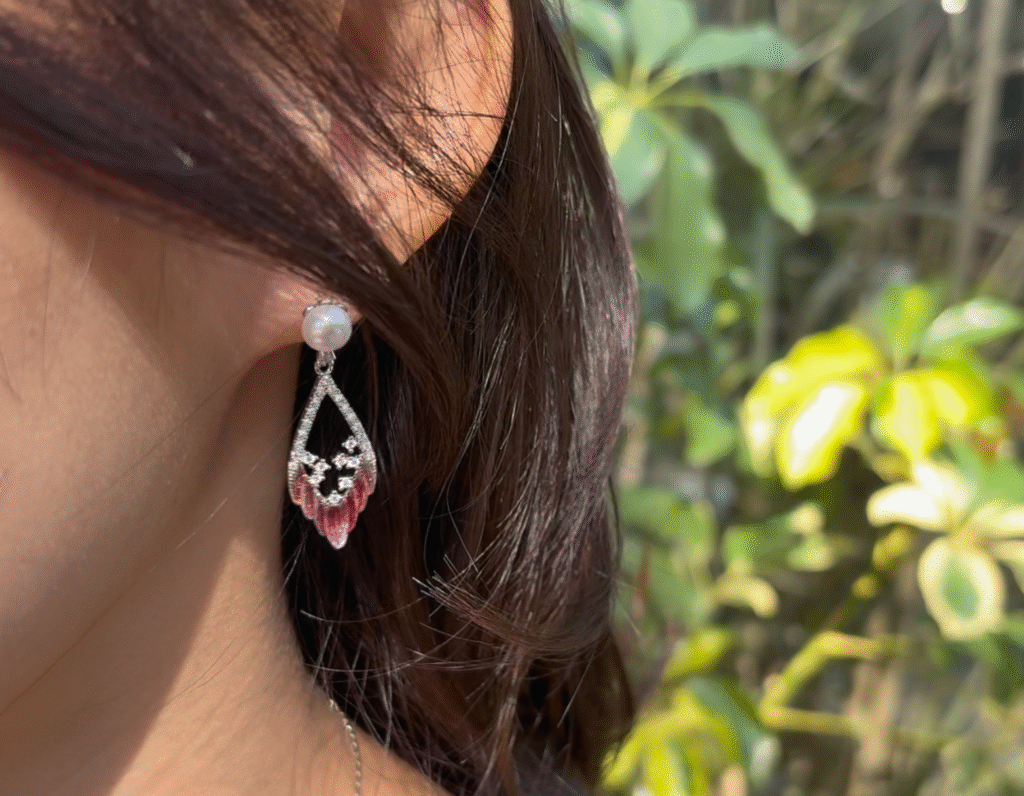
Larger pearls generally command higher value. However, size should also align with personal preference and the intended use. Smaller pearls suit delicate, everyday jewelry, while larger pearls create a bold statement for special occasions. Pearl size can significantly impact price.
Color: A Spectrum of Hues
Pearls boast a mesmerizing range of body colors: classic white, cream, pink-rose, golden, silver, and the dark, iridescent shades of Tahitian pearls. Many also exhibit subtle “overtones” – secondary colors shimmering on the surface. While personal preference guides color choice, rare colors like deep golden South Sea pearls often fetch higher prices.
Nacre Quality: The Heart of the Pearl
Nacre is the iridescent substance forming the pearl. The thickness and quality of these nacre layers directly influence luster and durability. Thicker, high-quality nacre results in a deeper luster and greater resistance to wear, preventing the pearl from appearing dull or exposing its nucleus.
Matching: Harmony in Sets
For multiple pearls in a strand or set, “matching” is crucial. Perfectly matched pearls – identical in luster, shape, size, surface quality, and color – are exceptionally rare and highly valued. Uniformity in a set enhances its overall beauty and worth.
Pearls: A Tapestry of Culture and Symbolism
Beyond their physical attributes, pearls carry deep symbolic meanings across cultures, evolving over centuries to represent purity, beauty, wisdom, and eternal elegance.
Eastern Symbolism
In many Asian cultures, pearls symbolize purity, wisdom, and spiritual enlightenment. Chinese tradition often views them as auspicious charms, bringing prosperity and good fortune. They frequently feature in important ceremonies, like weddings, symbolizing harmony and lasting love. Ancient texts even describe them as “dragon’s tears,” imbued with magical protection.
Western Symbolism
In Western traditions, pearls have consistently represented love, grace, and timeless beauty. Brides often wear them for purity and a new beginning. Historically, they signified wealth and nobility, favored by royalty and the elite. From Queen Elizabeth I to Coco Chanel, pearls have maintained their iconic status in Western fashion.
Modern Versatility
Today, pearls have transcended their purely traditional image. They are now a powerful fashion statement, symbolizing independence, individuality, and understated elegance for the modern woman. Pearls seamlessly integrate into everyday jewelry – simple pearl earrings or a chic necklace can effortlessly elevate a daily outfit, blending classic heritage with contemporary flair.
Why ColoritaJewelry is Your Trusted Pearl Partner
At ColoritaJewelry, located in Shenzhen Shuibei, we understand the intricate world of pearls. We are dedicated to providing our overseas B2B clients with the highest quality cultured pearls, including Akoya, South Sea, and Tahitian varieties, alongside our exquisite enamel, 3D hard gold, and 3D hard silver jewelry.
- Expert Sourcing: We partner with reputable pearl farms and suppliers, ensuring every pearl meets stringent quality standards.
- Diverse Selection: Our inventory includes a wide range of pearl types, sizes, and grades, catering to various market demands.
- Quality Assurance: Each pearl undergoes meticulous inspection by our expert team for authenticity and adherence to the “7 Pearl Value Factors.”
- Bespoke Services: We offer customized pearl jewelry designs for necklaces, bracelets, earrings, and brooches to meet your specific needs.
Conclusion
Choosing the perfect pearl is both an art and a science, a journey through nature’s marvels and human craftsmanship. By understanding the distinct characteristics of natural and cultured pearls, and meticulously evaluating factors like luster, shape, surface quality, and size, you can make informed decisions that enhance any jewelry collection. At ColoritaJewelry, we are passionate about the timeless allure of pearls. We are committed to guiding our international B2B clients through this fascinating world, providing exquisite pieces that embody purity, elegance, and enduring beauty. Let us help you unveil the enduring beauty of pearls and bring their magic to your customers.