
For any jewelry retailer, the choice of a wholesale supplier is not merely a transactional decision; it’s a foundational step that directly impacts product quality, profit margins, customer satisfaction, and ultimately, the brand’s reputation. To choose a suitable wholesale silver jewelry supplier, retailers must meticulously evaluate their own market needs, thoroughly vet supplier credentials for quality and ethics, scrutinize product authenticity and craftsmanship, clearly understand pricing and logistics terms, prioritize clear communication, and always conduct trial orders. This comprehensive approach ensures a reliable partnership that aligns with business goals and customer expectations. By focusing on these key areas, retailers can secure a strong supply chain that underpins their success in the competitive jewelry market.
1. Defining Your Needs: Understanding Your Market and Brand Identity
Before you even begin searching for a supplier, a clear understanding of your own business needs, target audience, and brand identity is paramount. This internal audit will serve as your compass throughout the selection process.
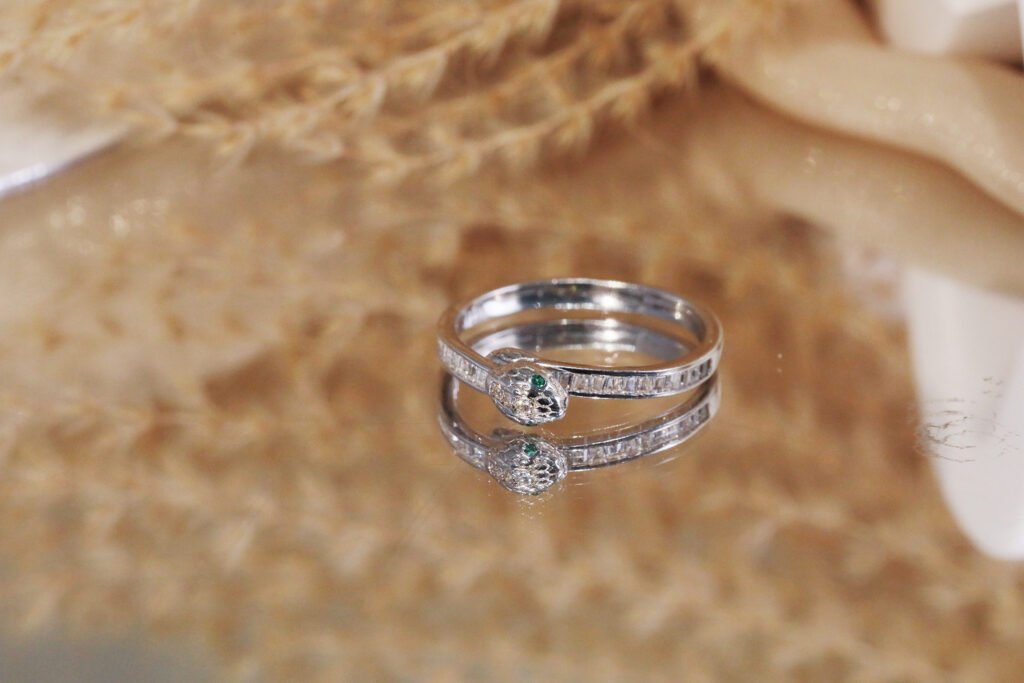
• Target Audience: Who are your customers? Are they looking for affordable, trendy pieces, or do they prioritize timeless, artisan-crafted designs? Understanding their budget, style preferences, and purchasing habits will dictate the type of silver jewelry you need to source. For instance, a budget-conscious demographic might prefer mass-produced, trend-driven designs, while a high-end clientele would seek unique, handcrafted items.
• Product Style and Quality: What specific aesthetic do you envision for your silver jewelry collections? Do you lean towards classic elegance, modern minimalism, bohemian chic, or bold statement pieces? Beyond style, define your quality standards: will you only stock solid 925 sterling silver, or are you open to gold-plated, rhodium-plated, or cold enamel silver? Your decision here directly influences the type of suppliers you should consider.
• Pricing Strategy: What is your intended retail price range for your silver jewelry? This crucial factor will determine the wholesale cost you can afford. A high-volume, lower-margin business will require different wholesale prices than a boutique aiming for higher margins on fewer, more exclusive pieces. Clearly define your expected markup to ensure profitability from the outset.
2. Evaluating Supplier Credentials: Beyond the Price Tag
A low price can be tempting, but a reputable supplier offers far more than just competitive rates. Their credentials speak volumes about their reliability and ethical practices.
• Industry Experience and Reputation: Seek out suppliers with significant experience in the silver jewelry wholesale market. Longevity often indicates stability and a proven track record. Research their market reputation through online reviews, trade forum discussions, and perhaps even by contacting their existing clients if possible. Positive testimonials and a long history of satisfied customers are excellent indicators.
• Legal and Ethical Compliance: In today’s conscious consumer market, ethical sourcing and manufacturing are non-negotiable. Ensure your potential supplier adheres to fair labor practices, environmental regulations, and provides transparency regarding material sourcing (e.g., conflict-free minerals). Ask about their certifications or codes of conduct. Partnering with ethical suppliers protects your brand’s image and appeals to socially responsible consumers.
• Business Longevity and Stability: Choosing a supplier with a stable operational history minimizes potential disruptions to your supply chain. A well-established company is less likely to suddenly cease operations or face significant financial difficulties, ensuring consistent product availability and support for your business. This stability can be invaluable during peak seasons or unexpected market fluctuations.
3. Assessing Product Quality and Authenticity: The Core of Your Offering
The quality of the jewelry profoundly impacts customer satisfaction and your brand’s reputation. Diligent assessment of product quality is non-negotiable.

• Material Purity Verification: For sterling silver, the standard is 92.5% pure silver, often marked as “925” or “Sterling.” Insist on verifiable authenticity. A reputable supplier should be able to provide documentation, such as material test reports, or clearly display the 925 stamp on their products. Be wary of suppliers who cannot confirm the silver’s purity.
• Craftsmanship and Finish: Examine the actual pieces for signs of superior craftsmanship. Look at the details: Are the settings secure? Is the polishing smooth and consistent? Are the clasps strong? Are there any visible seams or imperfections? High-quality silver jewelry should feel substantial and look flawless. Consider the expertise of manufacturers like ColoritaJewelry, known for their detail-oriented finishing.
• Plating and Enamel Durability: If you’re sourcing gold-plated, rhodium-plated, or cold enamel silver jewelry, inquire about the plating thickness (measured in microns) or the enamel application process. Thicker plating generally means greater durability. Ask about their quality control to ensure the plating or enamel will withstand regular wear without quick fading or chipping, preserving the product’s aesthetic appeal for longer.
• Quality Control Processes: A reliable supplier will have robust internal quality control measures at every stage of production, from raw material inspection to final product packaging. Ask about their QC protocols. This ensures consistency across large orders and minimizes defects, saving you the hassle of dealing with customer complaints and returns.
4. Understanding Pricing, Terms, and Logistics
Once quality is assured, understanding the financial and logistical aspects is critical for efficient business operations.
• Wholesale Pricing Structures: Clearly understand the supplier’s pricing tiers: Do they offer discounts for larger order volumes? What is their minimum order quantity (MOQ) per item or per order? Align these with your own inventory management and sales forecasts to secure the most favorable pricing.
• Payment Terms: Discuss payment options such as upfront payment, net terms (e.g., Net 30), or payment milestones. Choose terms that align with your cash flow. Reputable suppliers often offer more flexible arrangements to established clients.
• Shipping and Customs: Clarify shipping costs, estimated delivery times, and the supplier’s responsibility for customs clearance and duties, especially for international orders. Understanding Incoterms (e.g., FOB, CIF) is crucial to define who is responsible for goods at various stages of transit. Unexpected shipping costs or delays can significantly impact your profitability.
5. Communication and Customer Service: A Partnership for Growth
Effective communication is the cornerstone of any successful business relationship.
• Responsiveness and Clarity: Assess how responsive a potential supplier is to inquiries. Are their communications clear, concise, and professional? Do they quickly address your questions and provide detailed information? A supplier who communicates effectively pre-sale will likely do so throughout your partnership.
• Problem-Solving Ability: In any business, problems can arise. How does the supplier handle issues like delays, defects, or changes in order? Their proactive approach to problem-solving and willingness to find agreeable solutions is a tell-tale sign of a good partner.
• Support and Resources: Does the supplier offer additional support? This might include high-quality product images, detailed descriptions, sizing guides, or even marketing advice. Such resources can significantly reduce your workload and enhance your own sales efforts.
Conclusion
Choosing the right wholesale silver jewelry supplier is a critical decision that extends beyond mere cost. It’s about forging a long-term partnership that supports your business growth, upholds your brand’s integrity, and delights your customers. By diligently evaluating suppliers based on their quality, reliability, ethical practices, pricing fairness, and communication effectiveness, retailers can make informed choices that build a strong foundation for sustained success in the competitive jewelry market. This strategic relationship is not just about transactions; it’s about mutual growth and shared success.
For retailers seeking a reliable partner committed to exceptional quality and innovative design, consider exploring ColoritaJewelry. We specialize in providing high-quality, original wholesale jewelry, with a focus on premium 925 sterling silver, intricate enamel silver jewelry, and cutting-edge 3D hard gold and hard silver pieces. Our dedication to craftsmanship and unique designs ensures your inventory stands out, helping you meet the evolving demands of your discerning clientele.