
Understanding the production process for cold enamel (resin enamel) jewelry is crucial for B2B clients, as it directly dictates both manufacturing costs and the extent of customization possible. From the meticulous selection of raw materials to the detailed application and curing, each stage introduces cost variables through labor, materials, and equipment. Simultaneously, the inherent flexibility of cold enamel in color mixing and precise application unlocks vast customization potential, offering a unique balance between vibrant, bespoke designs and efficient, scalable production, especially when working with expert manufacturers like ColoritaJewelry.
Introduction: Unpacking Cold Enamel in Jewelry Manufacturing
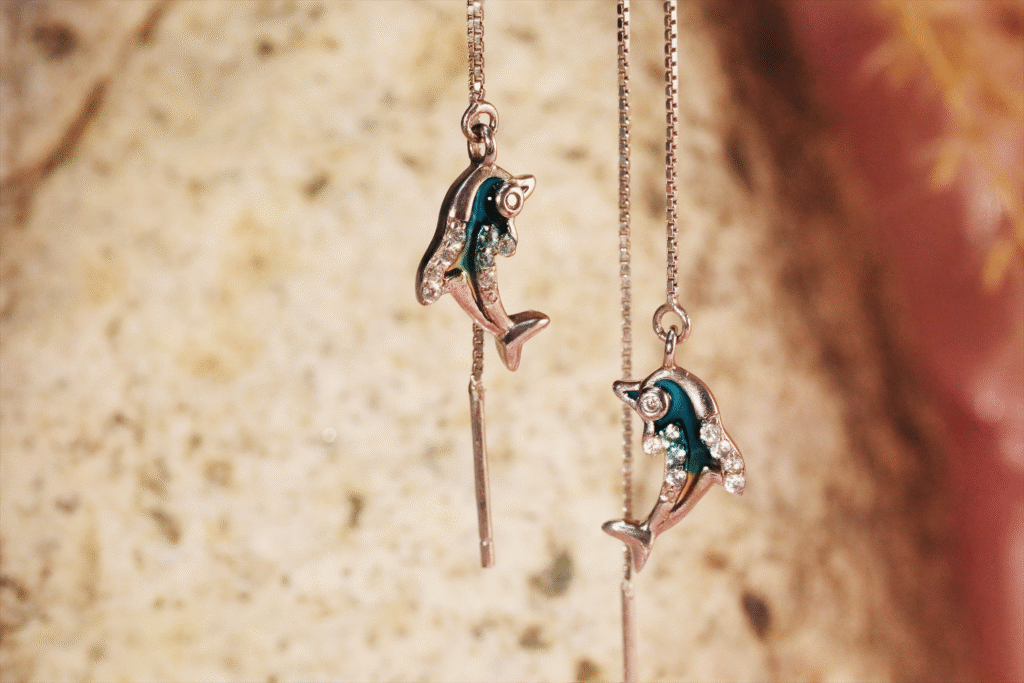
Cold enamel, also known as resin enamel, has steadily gained traction in the jewelry manufacturing world. Unlike its high-heat counterparts, this innovative technique involves applying a colored resin, which then hardens to create a durable, vibrant surface. Its versatility and accessibility have made it a favorite for enhancing sterling silver pieces, adding pops of color and intricate details.
However, for B2B clients, the appeal of cold enamel goes beyond mere aesthetics. The core question revolves around its practical implications: How does the specific production process influence manufacturing costs, and what level of customization can be realistically achieved? Delving into these aspects is key to making informed decisions for your jewelry lines.
Understanding the Cold Enamel Process: A Step-by-Step Overview
To grasp its economic and creative impact across various jewelry designs, let’s break down the journey of a cold enamelled piece.
Core Materials and Foundation
At its heart, cold enameling relies on a specialized resin, a hardener, and various pigments, all skillfully applied to a sterling silver base. The quality of these foundational materials significantly impacts both the final product’s appearance and durability, as well as the initial cost. For instance, ColoritaJewelry proudly utilizes the highest quality Italian enamel (Lo smalto), ensuring vibrant colors and lasting resistance in every piece.
Meticulous Surface Preparation
Before any enamel is applied, the sterling silver piece undergoes meticulous preparation. This crucial step involves thorough cleaning, precise polishing, and often the creation of specific recesses or borders designed to reliably hold the liquid enamel. The more intricate or detailed the design, the more time and specialized labor this preparatory stage demands, naturally contributing to the overall cost.
Expert Mixing and Application
This is where artistry truly meets precision. The resin, hardener, and desired pigments are carefully measured and blended to ensure an accurate color match and optimal consistency. The enamel is then skillfully applied, often by hand or with semi-automated tools, into the prepared areas of the silver. Achieving perfect fills, seamless color transitions, and crisp lines requires significant dexterity and a practiced eye.
Precise Curing and Drying
Once applied, the cold enamel needs to cure, which typically involves controlled air drying or a low-temperature oven, depending on the specific resin formulation. This essential process hardens the enamel, locking in the vibrant color and creating a durable, protective finish. While less energy-intensive than traditional hot enameling, managing accurate drying times and environmental conditions is critical for efficient batch processing and optimal quality.
Refined Finishing Touches
The final stage involves a careful inspection, and sometimes light polishing or detailed sanding, to ensure a smooth, flawless finish that meets exacting standards. Any rare imperfections at this stage might require painstaking rework, underscoring the paramount importance of meticulous application and rigorous quality control maintained throughout every step of the production process.
Impact on Production Costs: Breaking Down the Price Tag
The cold enamel process, while offering immense creative versatility, carries specific cost implications that B2B clients must consider for their financial planning.
- Raw Material Costs: The choice of resin and pigments is a primary cost driver. High-quality resins provide superior UV stability, scratch resistance, and color vibrancy, but naturally come at a premium. ColoritaJewelry’s commitment to using superior Italian enamel (Lo smalto) reflects this quality-over-cost approach for lasting beauty. The underlying sterling silver components also contribute significantly to material expenditure.
- Labor Costs: The precise application of cold enamel, particularly for intricate and complex designs, remains a labor-intensive process requiring skilled artisans. Their expertise in meticulous mixing, precise application, and refined finishing is invaluable but does add to the hourly cost. Simpler designs might allow for more general labor, but maintaining a consistent, high level of quality always demands careful attention to detail.
- Equipment & Overhead: While not as demanding as hot enameling, cold enamel production still requires suitable, specialized equipment. This includes precise mixing machines, controlled curing environments (like low-temperature ovens), and often clean room conditions to prevent microscopic dust contamination. These essential infrastructural investments, along with general operational overheads, are carefully factored into the unit cost.
- Economies of Scale: As with most manufacturing endeavors, production volume plays a significant role in cost efficiency. Larger orders (benefiting from economies of scale) can considerably dilute the fixed setup costs per unit, making cold enamelled pieces more cost-effective on an individual basis. Conversely, small-batch runs or highly customized, one-off pieces will inherently have a higher per-unit price due to less efficient utilization of labor and materials.
- Quality Control and Rework: Implementing rigorous quality control at each critical stage, from initial material vetting to final inspection, is absolutely essential to prevent costly rejections. The expense of identifying and successfully reworking any imperfect pieces adds to the overall production cost, profoundly underscoring the immense value of skilled craftsmanship and thoroughness from the very outset of the manufacturing process.
Unleashing Customization Options: Flexibility vs. Constraints
One of cold enamel’s most compelling and advantageous features for any jewelry line is its remarkable capacity for offering extensive customization.
- Expansive Color Palette and Blending: Cold enamel provides an almost limitless spectrum of colors. Pigments can be precisely blended to perfectly match specific brand colors, create unique custom hues, or even craft subtle, appealing gradients. This exceptional flexibility far surpasses many other traditional coloring techniques. While creating entirely new custom color formulations may require minimum order quantities (MOQs) for specific batches, the overall potential for color variation is truly immense, offering unparalleled creative freedom.
- Precision in Design and Detail: The liquid nature of cold enamel before curing allows it to flawlessly fill even the smallest recesses, the finest lines, and the most complex geometric shapes on a sterling silver base. This makes it an ideal choice for highly detailed designs, personalized engravings, or intricate patterns, providing a level of precision that can be challenging to achieve with other materials. It’s important to note, however, that extremely tiny or overlapping areas still present unique application challenges.
- Versatility in Shape and Form: Cold enamel can be skillfully applied to a wide array of silver forms – ranging from perfectly flat surfaces to gently curved or even fully three-dimensional objects. This extensive versatility is largely due to the lower curing temperatures and the highly desirable self-leveling properties of the resin, making it significantly less restrictive than traditional hot enamel techniques which are often limited to specific metal shapes that can robustly withstand intense heat.
- Empowering Personalization and Small Batches: Compared to techniques that demand extensive mold-making or high-heat processes, cold enamel is remarkably agile and efficient for facilitating both personalization and smaller production runs. Changing colors or filling specific designs for individual pieces is less labor-intensive, making it an excellent and cost-effective choice for bespoke items, specialized branded merchandise, or exclusive limited-edition collections.
- Efficient Iteration and Prototyping: The relatively straightforward application process means that developing new designs and creating working samples with cold enamel can be significantly faster and more cost-effective. This invaluable advantage allows brands to confidently experiment with new colorways and innovative design concepts with greater agility and less financial risk before making commitments to large-scale production.
Strategic Considerations for B2B Buyers
For B2B clients, leveraging cold enamel effectively within their product lines involves making astute strategic decisions.
- Balancing Cost and Customization Needs: It is crucial to understand the inherent trade-offs between highly customized, unique pieces and more standardized, bulk-produced designs. While cold enamel offers immense creative freedom, each layer of added customization (such as unique color mixes or highly intricate applications) will naturally contribute to the overall cost. Therefore, plan your production batch sizes carefully to optimize cost-efficiency for your specific design and market requirements.
- Defining Clear Quality Expectations: Always engage in thorough discussions regarding your quality expectations with your chosen manufacturer. Important aspects to cover include the long-term intensity of the pigment, the critical UV stability to prevent fading over time, and the desired level of scratch resistance. Clearly communicating your desired finish – whether it’s a high-gloss, a sophisticated matte, or a unique textured surface – ensures the final product perfectly aligns with your brand vision and customer expectations.
- Realistically Managing Lead Times: Remember that while cold enamel generally allows for faster prototyping, highly customized orders, especially those requiring precise color matching or intricate hand application, may naturally extend typical lead times. Therefore, it is essential to plan your production schedules collaboratively and effectively with your manufacturing partner to ensure timely delivery and market readiness.
- Partnering with the Right Manufacturer: The ultimate success and quality of cold enamelled jewelry heavily depend on the manufacturer’s specialized expertise and proven capability. Seek partners with a strong, verifiable track record in skilled cold enamel application, capable of consistently delivering diverse and high-quality cold enamel solutions that meet your specific needs and exceed industry standards. ColoritaJewelry stands as such a partner, with its dedication to Italian enamel quality and craftsmanship.
Conclusion
In summary, the production process for cold enamel jewelry intricately influences both manufacturing costs and the vast array of customization options available. By comprehending each step, from material selection to the final polish, B2B clients can make more informed decisions. This understanding empowers them to strategically balance economic efficiencies with creative aspirations, ultimately bringing vibrant, personalized sterling silver jewelry to market. Mastering the nuances of cold enamel production is not merely about manufacturing; it’s about unlocking strategic value and innovation for your brand.