
In the intricate world of jewelry manufacturing, the final touches of polishing and gilding are not mere afterthoughts; they are transformative processes that profoundly influence a piece’s aesthetic appeal, durability, and perceived value. These sophisticated techniques elevate raw silver into captivating works of art, defining its brilliance, texture, and often, its unique character in modern jewelry design.
At ColoritaJewelry, based in Shenzhen’s renowned Shuibei district, we specialize in supplying high-quality 925 sterling silver, enamel, 3D hard gold, and 3D hard silver jewelry for the international B2B market. We understand that the mastery of polishing and gilding is crucial for creating the distinctive, market-ready pieces our global clients demand, especially when combined with our vibrant enamel finishes.
The Transformative Power of Polishing
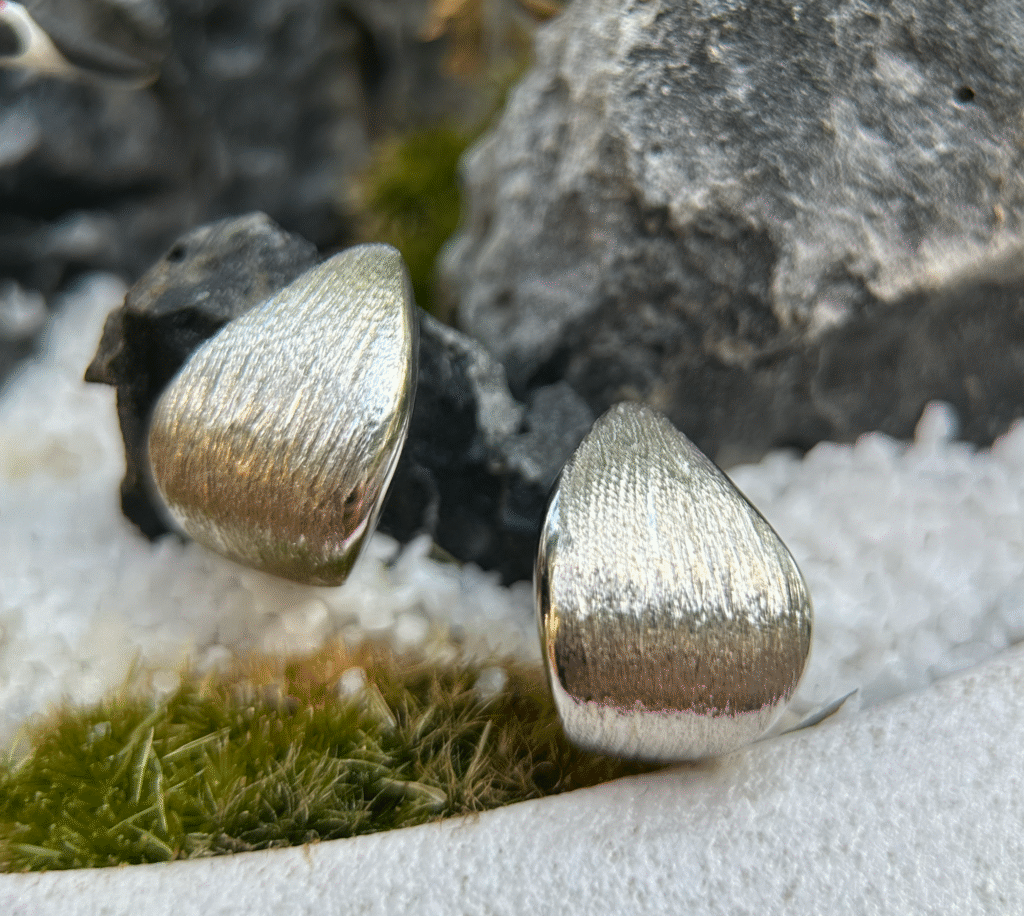
Polishing is far more than just cleaning a piece of jewelry; it is an art form that reveals the inherent beauty of the metal, creating a surface that reflects light and commands attention. For 925 sterling silver, proper polishing is paramount.
Enhancing Luster and Brilliance
The primary goal of polishing is to achieve a smooth, reflective surface that maximizes the metal’s natural luster. This process removes microscopic scratches, blemishes, and tool marks accumulated during manufacturing. A highly polished silver piece reflects light intensely, giving it a bright, dazzling appearance that signifies quality and craftsmanship. Without meticulous polishing, even the most intricate design would appear dull and unfinished.
Defining Detail and Form
Polishing isn’t just about shine; it also refines the contours and details of a jewelry piece. It sharpens edges, smooths curves, and brings out the nuances of carved or textured designs. This precision ensures that each element of the jewelry is clearly defined and contributes to its overall aesthetic integrity. For our 3D hard silver jewelry, for instance, expert polishing accentuates the intricate, sculptural forms.
Preparing for Plating and Enameling
A perfectly polished surface is essential for the subsequent stages of gilding (plating) and enameling. Any imperfections on the surface will be magnified once a new layer is applied. A clean, smooth base ensures optimal adhesion for plating materials and provides a flawless canvas for vibrant enamel colors, preventing bubbles or uneven application. This synergy is particularly crucial in our signature 925 silver enamel pieces, where the smooth silver surface allows the enamel to truly pop.
The Strategic Art of Gilding (Plating)
Gilding, or plating, involves applying a thin layer of another metal onto the surface of the base metal. For 925 sterling silver, this process is strategically employed for both aesthetic enhancement and functional improvement.
Aesthetic Transformation Through Plating
Gilding offers a wide array of aesthetic possibilities, allowing silver jewelry to mimic the appearance of more precious metals or introduce unique color accents:

- Rhodium Plating: This is perhaps the most common form of gilding for 925 silver. Rhodium, a member of the platinum family, provides a brilliant, mirror-like white finish that enhances silver’s natural brightness and prevents tarnishing. It creates a durable, hypoallergenic surface highly valued by consumers.
- Gold Plating (Yellow, Rose): Gold plating, whether in classic yellow or trendy rose hues, allows silver jewelry to achieve the luxurious look of solid gold at a more accessible price point. This opens up broader design possibilities and market appeal.
- Other Finishes: Black rhodium, ruthenium, or even oxidized finishes can create dramatic, contemporary looks, offering diversity in modern jewelry collections.
Enhanced Durability and Longevity
Beyond aesthetics, plating significantly improves the practical attributes of 925 silver jewelry:
- Tarnish Resistance: Silver naturally tarnishes when exposed to air and moisture. Rhodium plating forms a protective barrier, drastically slowing down or preventing this oxidation, thus extending the jewelry’s pristine appearance.
- Scratch Resistance: Plating adds a harder outer layer to the relatively softer sterling silver, making the piece more resistant to minor scratches and abrasions from daily wear.
- Hypoallergenic Properties: For individuals sensitive to copper (an alloy in sterling silver), rhodium plating can create a barrier, making the jewelry more comfortable and wearable.
Synergistic Effect with Enamel & Design
When combined with our vibrant enamel work, gilding takes on an even greater role. A rhodium-plated silver base provides a bright, neutral backdrop that makes enamel colors appear more vivid and true. Gold plating, conversely, can create a warm, opulent contrast with certain enamel shades, adding depth and sophistication. This interplay of surface finishes is vital to the distinctive look and feel of our 925 silver enamel jewelry, including our unique enamel pearl pieces.
At ColoritaJewelry, our mastery of these techniques ensures that every necklace, bracelet, earring, or brooch we produce for our international clients is not just well-designed but also flawlessly finished. We understand that the final gloss, whether from polishing alone or complemented by strategic gilding, is what truly transforms metal into mesmerizing jewelry, ready to captivate global markets.