
Diamond jewelry possesses a timeless allure, captivating us with its brilliance and elegance. The journey from rough stone to exquisite piece involves a meticulous process. From initial design to final polishing, numerous stages ensure the creation of stunning and enduring diamond jewelry. These stages are design & planning, sourcing diamonds, cutting & shaping, metal selection & crafting, stone setting, polishing & finishing, quality assurance, and packaging & sales. Let’s delve into the main phases that bring these treasures to life.
ColoritaJewelry is a leading expert in the field of enamel jewelry and inlaid jewelry design within the industry, known for our exceptional craftsmanship and unique designs. As both a wholesale supplier of enamel jewelry and a custom manufacturer of silver jewelry, we offer an extensive collection of pieces that cater to a wide range of tastes and preferences.
The Foundation: Design and Planning
It all starts with a vision. The design phase is where the concept for the jewelry takes shape.
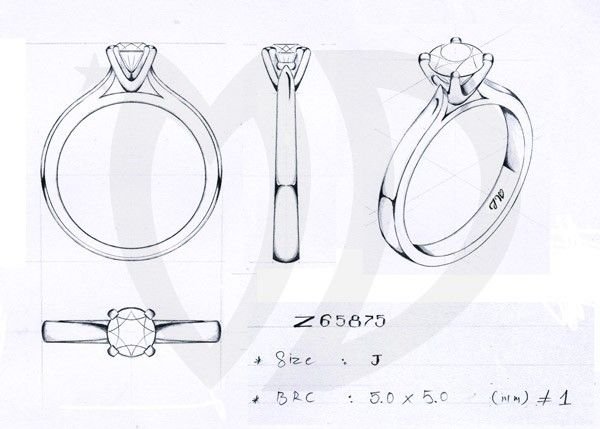
- Detailed Blueprints: This involves creating detailed sketches, 3D renderings, or even physical models.
- Style and Stone Selection: Designers carefully consider the overall style, the intended shape and size of the diamonds, and the most suitable setting techniques.
- Market and Trends: Market trends and specific customer requests also play a significant role in the design phase, ensuring the final product resonates with its target audience.
From the Earth (or Lab): Diamond Sourcing
The origin and quality of the diamonds are crucial.
- Ethical Considerations: Diamonds originate from two primary sources: mined diamonds and lab-grown diamonds.
- The 4Cs: The “4Cs” (Carat, Color, Clarity, and Cut) serve as the standard for evaluating a diamond’s quality.
- Responsible Suppliers: Reputable jewelers prioritize responsible sourcing, selecting suppliers who adhere to ethical practices and provide certification of origin.
Unlocking the Brilliance: Cutting and Shaping
This is where the diamond’s true beauty is revealed.
- Maximizing Sparkle: Diamond cutting is a critical process that unlocks a diamond’s brilliance. Skilled artisans meticulously cut and polish the rough stone to maximize its sparkle and fire.
- Precision is Key: This requires precise angles and proportions.
- Shape Matters: Different cuts, such as round brilliant, princess, emerald, and oval, each have their unique characteristics and appeal. The expertise of the diamond cutter significantly impacts the final beauty and value of the gem.
The Metal’s Role: Metal Selection and Crafting
The metal provides the framework and enhances the diamonds.
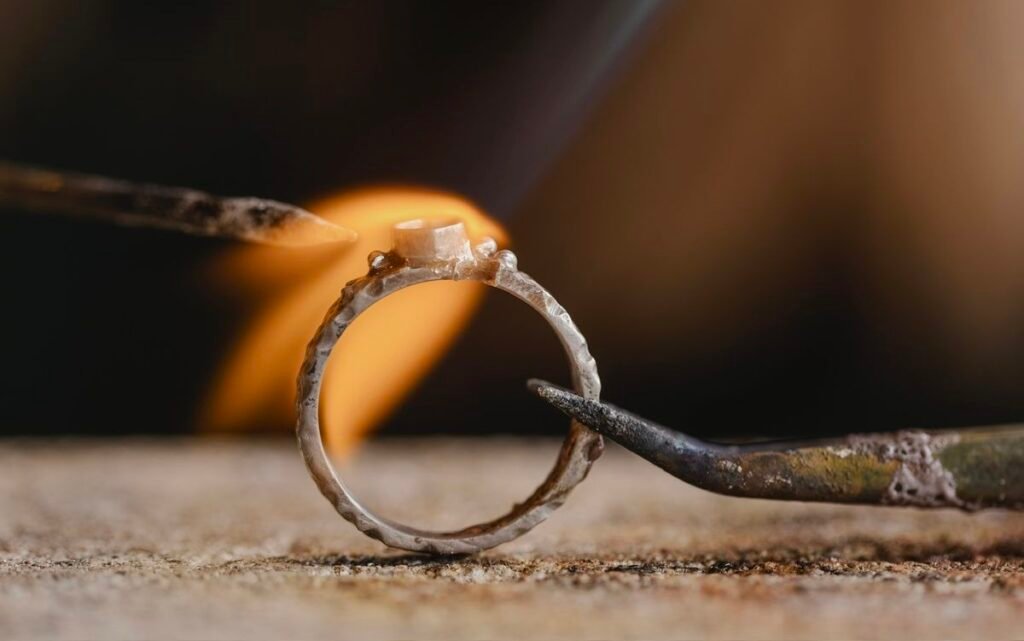
- Choosing the Right Metal: The choice of metal significantly influences the aesthetic and durability of the jewelry. Common metals include gold (available in various karats and colors), platinum, and silver.
- Factors to Consider: Jewelers select the metal based on the design, desired properties (like strength and tarnish resistance), and budget.
- Crafting the Design: The metal undergoes processes like melting, casting, forging, and drawing to create the intricate components of the jewelry piece.
Securing the Sparkle: Stone Setting
This is where the diamonds are placed into the metal framework.
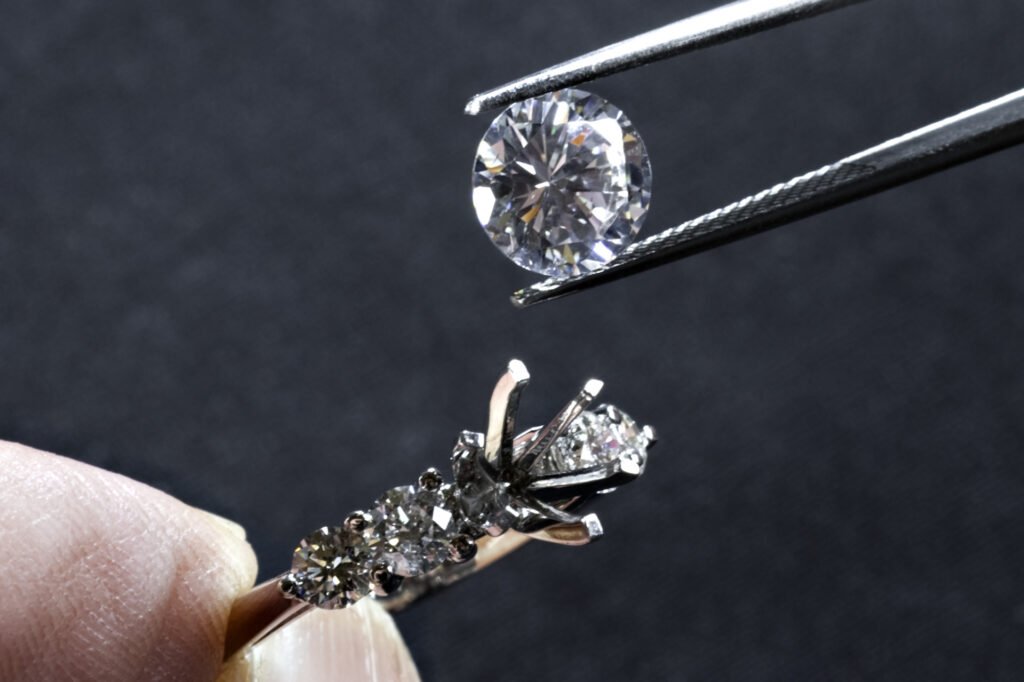
- Various Techniques: Setting the diamonds securely and attractively is a crucial skill. Various setting techniques exist, each offering a different visual effect and level of security.
- Common Methods: Common methods include prong settings, bezel settings, pavé settings, and channel settings.
- Expert Craftsmanship: Expert setters ensure that the diamonds are securely held in place while maximizing their visibility and brilliance.
The Final Touches: Polishing and Finishing
These steps enhance the appearance and durability.
- Achieving a Flawless Finish: Polishing is essential to achieve a flawless and lustrous finish on the metal components. This process removes any imperfections and creates a smooth, reflective surface.
- Protective Measures: Additional surface treatments, such as plating with rhodium, may be applied to enhance the jewelry’s appearance and durability, providing a protective layer against scratches and tarnish.
Ensuring Perfection: Quality Assurance
Rigorous checks guarantee the highest standards.
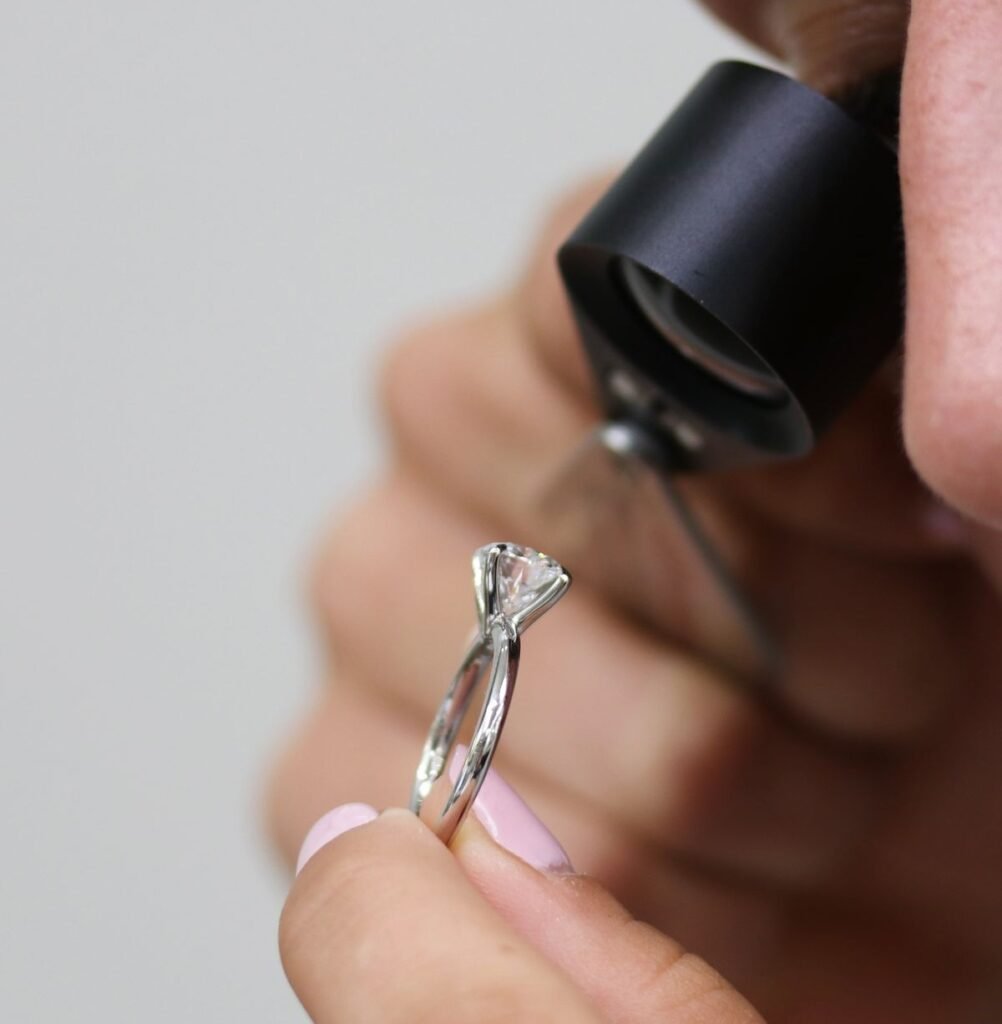
- Careful Inspection: Each piece is carefully inspected for any defects in the setting, metalwork, or overall design.
- Verification: Dimensions, weight, and materials are verified against the original specifications.
Ready for Presentation: Packaging and Sales
The final steps to deliver the jewelry to the customer.
- Elegant Presentation: Elegant packaging enhances the perceived value of the diamond jewelry. It provides protection during shipping and storage and contributes to the overall presentation.
- Multiple Channels: Jewelry is sold through various channels, including online retailers, brick-and-mortar stores, and authorized dealers.
- Customer Service: Excellent customer service and after-sales support are essential for building trust and loyalty.
Conclusion
The production of diamond jewelry is a complex and multi-faceted process, demanding precision, skill, and artistry at every stage. From the initial design to the final polish, each step plays a vital role in creating a beautiful and enduring piece. By understanding these phases, consumers can better appreciate the craftsmanship and value of their treasured diamond jewelry.
ColoritaJewelry specialize in creating bespoke silver jewelry that reflect your unique style and personality. Additionally, explore our exquisite enamel jewelry sets online, where you can find beautifully crafted sets that combine elegance and contemporary flair. At ColoritaJewelry, we are committed to delivering high-quality, stylish jewelry that exceeds your expectations. Discover the perfect piece for any occasion with us today!